Posted by admin
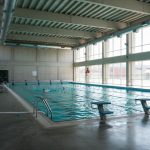
Indoor swimming pools create a unique and challenging environment. While the water may look calm on the surface, large volumes of moisture are constantly evaporating into the air. Without proper humidity control, this moisture can quickly lead to condensation, mould growth, corrosion, structural damage, and uncomfortable conditions for pool users.
Choosing the right dehumidification system is therefore one of the most important decisions in the design of any indoor pool facility.
A swimming pool continuously releases moisture into the surrounding air. In larger pools, several thousand litres of water can evaporate every day. If this moisture is not removed effectively, it will condense on cooler surfaces such as windows, walls, ceilings, and structural elements.
Over time, excess humidity can cause:
Pool dehumidification is not simply about protecting the building. It is also critical for maintaining comfort, preserving air quality, and ensuring a pleasant experience for everyone using the facility.
Humidity control starts with understanding the relationship between air temperature, water temperature, and relative humidity.
As warm air holds more moisture than cool air, condensation occurs whenever humid air comes into contact with a surface that is colder than the air’s dew point temperature.
For example, pool hall air at 28°C and 60% relative humidity has a dew point of approximately 19.5°C. Any surface below this temperature becomes a potential condensation point.
This is why insulation quality, glazing performance, air distribution, and humidity control all work together as part of a successful pool design.
While every project is unique, most indoor pools operate successfully within the following conditions:
| Parameter | Recommended Range |
| Relative Humidity | 50–60% RH |
| Air Temperature | Approximately 2°C above water temperature |
| Private Pool Water Temperature | 26–30°C |
| Public Pool Water Temperature | 26–28°C |
| Spa Water Temperature | 36–40°C |
Maintaining humidity below 60% helps minimise condensation risks while maintaining occupant comfort. Operating below 50% RH is generally not recommended because evaporation increases, driving up energy consumption and operating costs.
When selecting equipment, there are two primary technologies to consider.
Condensation dehumidifiers remove moisture by passing humid air across a cold evaporator coil. Moisture condenses and drains away, while the recovered heat is returned to the pool space.
Advantages include:
Potential limitations include:
These systems are often ideal for residential pools, hotel pools, and spa environments where ventilation requirements are relatively low.
Ventilation-based systems control humidity by introducing dry outdoor air while recovering energy from the exhaust air stream.
Advantages include:
These systems are particularly effective in:
The trade-off is a higher capital cost and greater space requirements.
Dantherm’s swimming pool product range covers everything from small residential pools to large public aquatic centres.
For compact private pools and spas, wall-mounted CDP units provide a simple and effective solution.
Typical options include:
These systems are designed specifically for smaller pool environments where ease of installation and reliability are key priorities.
Where larger air volumes or ducted distribution are required, the CDP 85, 135, and 175 series offer increased capacity and flexibility.
These systems can:
For facilities with higher occupancy and stricter air quality requirements, Dantherm’s DanX range offers advanced ventilation-based dehumidification.
Models include:
These systems combine heat recovery, humidity control, ventilation, and in some cases active cooling and heat pump technology to deliver outstanding energy performance.
Even the best dehumidifier can underperform if air movement is poor.
Successful pool projects require careful attention to:
One of the most common mistakes in pool design is selecting equipment based solely on pool area.
In reality, dehumidifier sizing should consider:
A heavily used hydrotherapy pool, for example, will generate significantly more evaporation than a private residential pool of the same size.
Professional calculations are essential to ensure the selected system can maintain design conditions year-round.
Indoor pool dehumidification is about far more than removing moisture. The right system protects the building, improves comfort, maintains air quality, reduces operating costs, and extends the life of the entire facility.
Whether you’re designing a residential pool, hotel leisure centre, hydrotherapy facility, or public aquatic complex, selecting the correct dehumidification strategy at the outset will deliver long-term benefits for both owners and occupants.
At DEHUM, we specialise in helping architects, builders, consultants, and pool owners select the most appropriate Dantherm solution for each project. By combining detailed humidity load calculations with practical installation expertise, we ensure every pool receives a system that performs efficiently for years to come.