Posted by admin
Many businesses focus on reducing energy costs, improving productivity, and protecting valuable assets—but one critical factor is often overlooked: humidity.
Excess moisture in the air can silently affect nearly every aspect of a commercial or industrial operation. From damaged inventory and equipment failures to higher maintenance costs and reduced employee productivity, high humidity can significantly impact your bottom line.
Whether you manage a warehouse, manufacturing facility, food processing plant, pharmaceutical site, or commercial building, understanding the hidden costs of moisture is the first step toward protecting your business.
Humidity refers to the amount of water vapour present in the air. The measurement most businesses should pay attention to is Relative Humidity (RH), which indicates how much moisture the air is holding compared to the maximum amount it can hold at a given temperature.
For many commercial and industrial environments, maintaining an RH between 40% and 60% helps minimise moisture-related problems. However, the ideal humidity level varies depending on your industry, products, and operational requirements.
When humidity rises above recommended levels, moisture begins to affect buildings, equipment, and materials—often before visible signs appear.
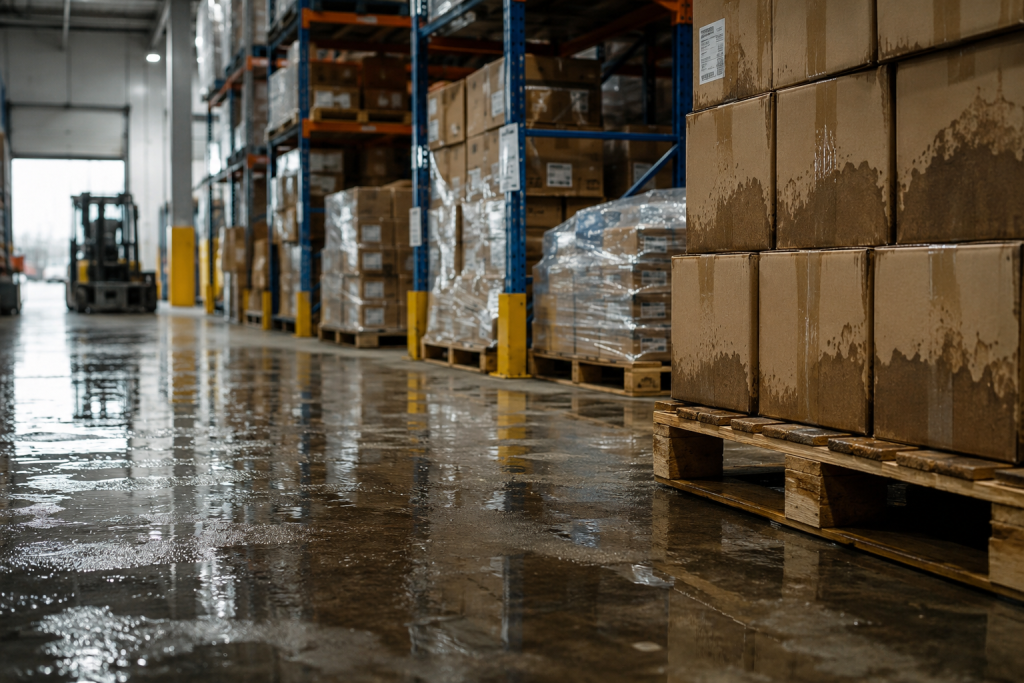
High humidity can damage products during storage and manufacturing, leading to costly waste and customer dissatisfaction.
Common examples include:
Replacing damaged inventory is only part of the cost. Businesses may also face delayed deliveries, warranty claims, and reputational damage.
Moisture accelerates corrosion on machinery, electrical components, and metal structures.
Over time, excess humidity can cause:
Unexpected downtime often costs significantly more than preventative humidity control.
Condensation occurs when warm, humid air contacts cooler surfaces such as ceilings, walls, pipes, or machinery.
This can lead to:
Rather than simply cleaning up condensation, businesses benefit from addressing the source of the problem—excess airborne moisture.
Mould thrives in damp environments and can spread quickly if humidity remains uncontrolled.
Beyond damaging property, mould may contribute to:
Prevention is far more cost-effective than removing mould after it has established itself.
Many businesses assume that increasing air conditioning will solve humidity problems.
While cooling systems remove some moisture, they are not always designed to maintain precise humidity levels—particularly in large commercial or industrial facilities.
As a result, HVAC systems often work harder than necessary, increasing energy consumption without effectively controlling moisture.
A dedicated dehumidification system helps reduce the moisture load, allowing HVAC equipment to operate more efficiently.
Although every commercial building can experience moisture issues, some industries face greater risks than others.
Many businesses only investigate humidity control after problems become visible.
Unfortunately, by that stage, costs may already include:
Investing in humidity control helps prevent these issues before they impact operations, reducing long-term costs and improving business resilience.
Commercial dehumidification systems remove excess moisture from the air, helping maintain consistent humidity levels throughout your facility.
Benefits include:
The right solution depends on factors such as building size, moisture load, ventilation, and industry-specific requirements.
High humidity is often an invisible problem—until it begins affecting your products, equipment, employees, and profitability. What may seem like a minor moisture issue can quickly lead to costly repairs, damaged inventory, production delays, and increased operating expenses.
By understanding the impact of excess humidity and taking proactive steps to manage it, businesses can create a safer, more efficient, and more reliable working environment. Investing in the right humidity control strategy not only protects valuable assets but also helps improve operational performance and reduce long-term costs.
Whether you’re managing a warehouse, manufacturing facility, food processing plant, pharmaceutical site, or commercial building, maintaining the right humidity levels is an important part of protecting your business and supporting its continued success.