Posted by admin
Why humidity control matters in pool rooms
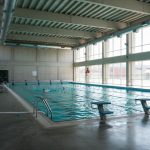
Indoor pools have high evaporation and warm air. Without proper control, condensation and chlorine laden moisture can damage finishes and cause discomfort. Correct design keeps the room pleasant, protects the building and reduces running costs.
Pool evaporation rises with water temperature, air temperature, air movement and activity level. Covers reduce evaporation when the pool is idle. Your dehumidifier must handle evaporation at design conditions so the room air stays within the target band.
Air should sweep the glazing and walls to prevent condensation while avoiding draughts over the water. Supply grilles often run along the perimeter near glass. Return air should balance the room and draw warm moist air back to the unit efficiently.
Pool spaces are warm and chlorinated. Select equipment and finishes that tolerate this environment. Systems for pool rooms often include recovery of sensible heat to improve efficiency. Plant can be wall mounted, floor mounted or installed within a service space with through wall grilles.
Where fresh air is required, consider heat recovery ventilation that exchanges energy between exhaust and supply air. This supports good air quality while reducing the load on the dehumidifier.
Use simple set points with clear displays. For commercial facilities, share alarms and trend data to your Building Management System so you can maintain conditions and respond quickly to faults.
Confirm airflows at duty, verify control sensors, balance grilles, confirm condensate or drain connections, and record operating set points. A well commissioned system sustains comfort and protects finishes for years.
Keep filters clean, check fans, inspect coils or desiccant media as applicable and verify drains. Planned care prevents surprises during hot spells and busy seasons.
Ask DEHUM for an indoor pool sizing and layout review